The Gear ?
I’m often asked on the camera gear that I use or what I would recommend - so whether you’re just starting out or thinking about upgrading, then this guide is for you! Here you can take a look at the camera gear I currently use, including what I love (or don’t) about each piece, along with what I use them for - and hopefully it may help you with deciding what to add to your gear next…
*From experience. The biggest piece of advice I can give when it comes to buying camera gear, is… always save for what you really want - or you’ll only end up buying twice.
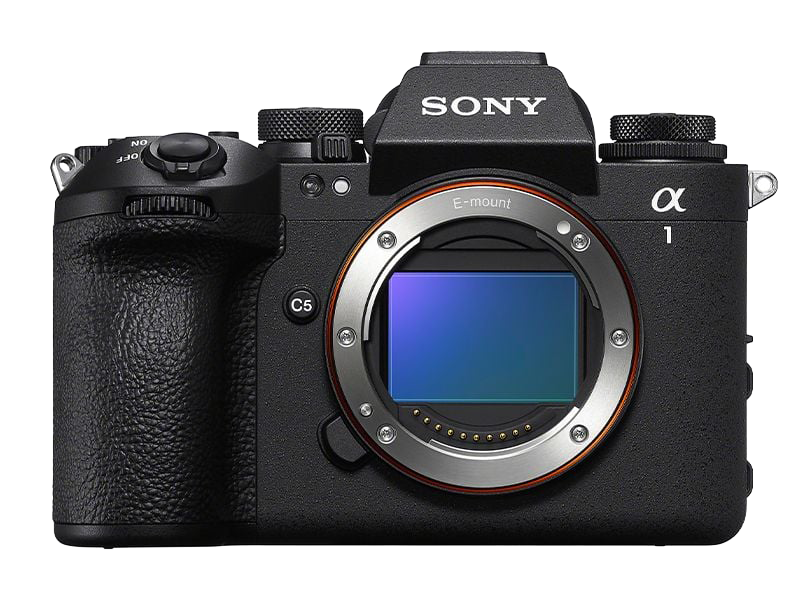
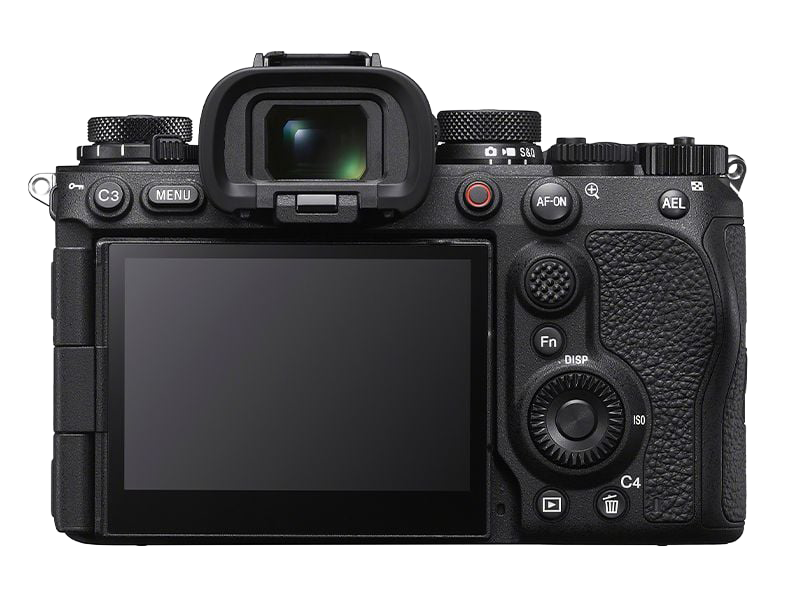
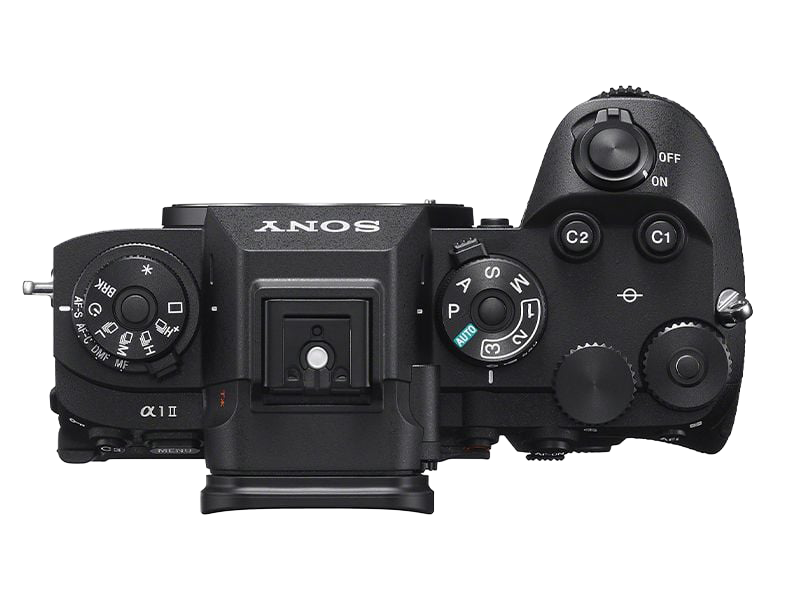
Sony A1 II
Could this be the ultimate wildlife photography camera? Honestly…. it just might be. Sony’s flagship full frame mirrorless camera packs and impressive 50mp fully stacked sensor, shoots up to 30 frames per second and also includes pre-capture, so you’re far less likely to miss those once-in-a lifetime shots. The camera is outstanding all round, from its comfortable ergonomics to the fully customisable controls that let you create your perfect setup. It also features the 4 axis flip-and-tilt rear LCD screen, making it easy to compose shots from almost any angle, and when it comes to wildlife and nature photography, the autofocus system is a complete game-changer, fast, reliable and incredibly accurate. While this camera is undeniably a very expensive bit of kit, it definitely earns its “flagship” status. So if you can afford to stretch your budget, then this is one camera you definitely won’t regret owning.
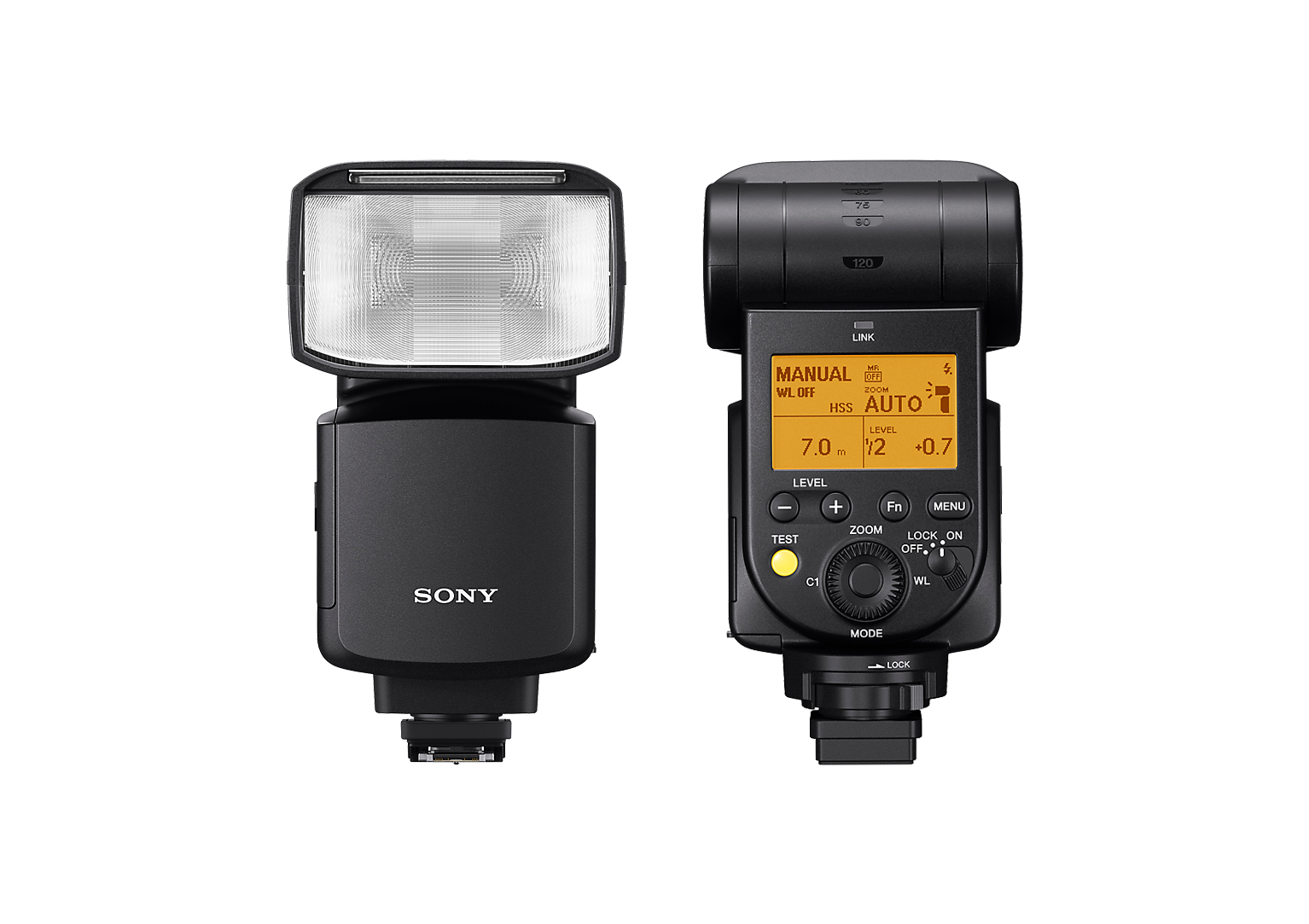
Sony Flash
This is Sony’s HVL-F60RM2 their signature flash. An excellent high powered flash suitable for all occasions. Having a flash can be essential for Macro photography to freeze the action and give a consistent exposure throughout your images.
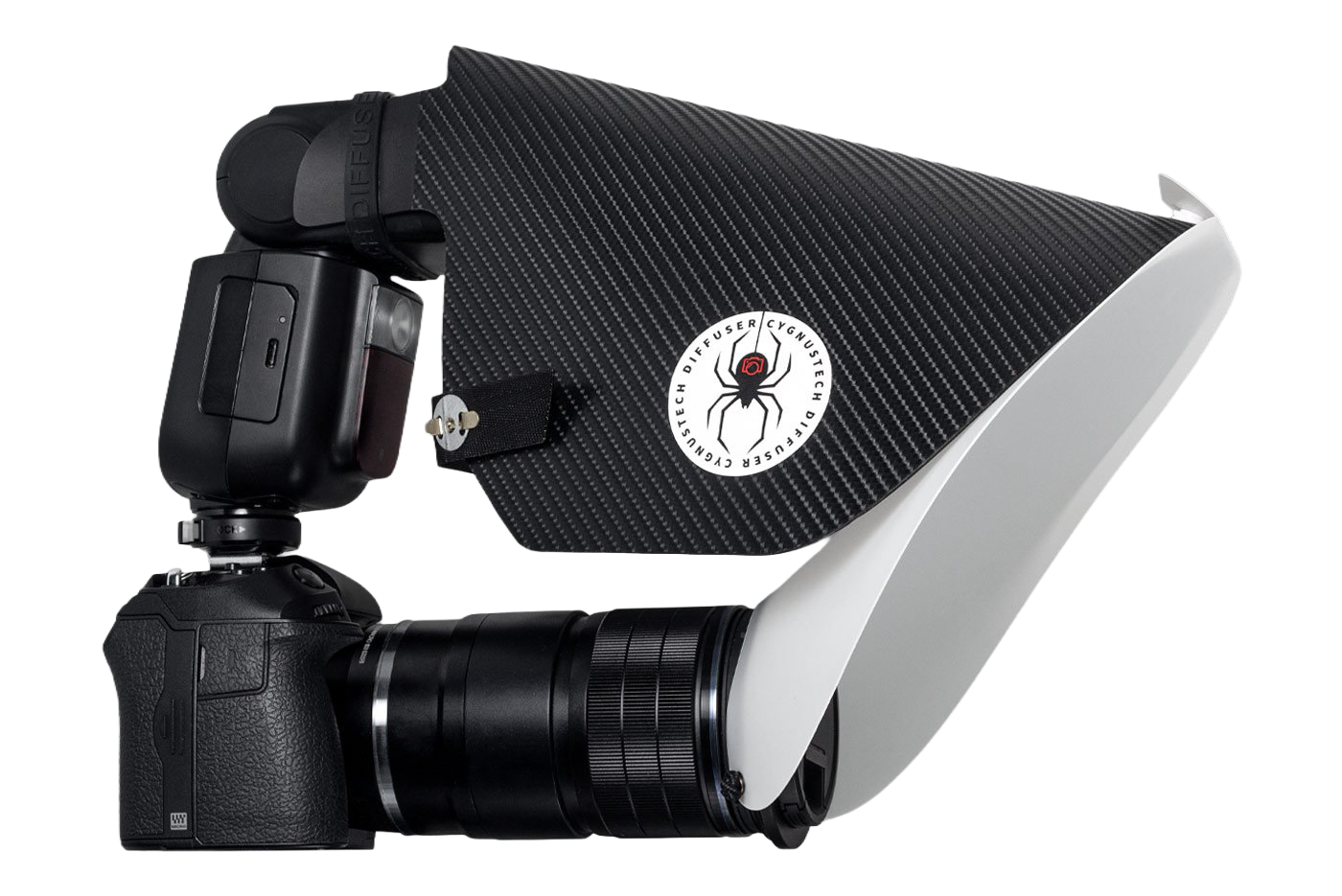
Cygnustech Diffuser
The perfect companion for Macro photograpahy. This strange looking piece of gear diffuses the light from your flash removing those overexposed-harsh sunlight areas from your tiny subjects, giving them a lovely soft looking light and minting all the fine details, you would miss out on without one! Although this may look complicated to setup it’s actually really quick and easy to install, it even lays flat when not in use so will easily fit into your camera bag.
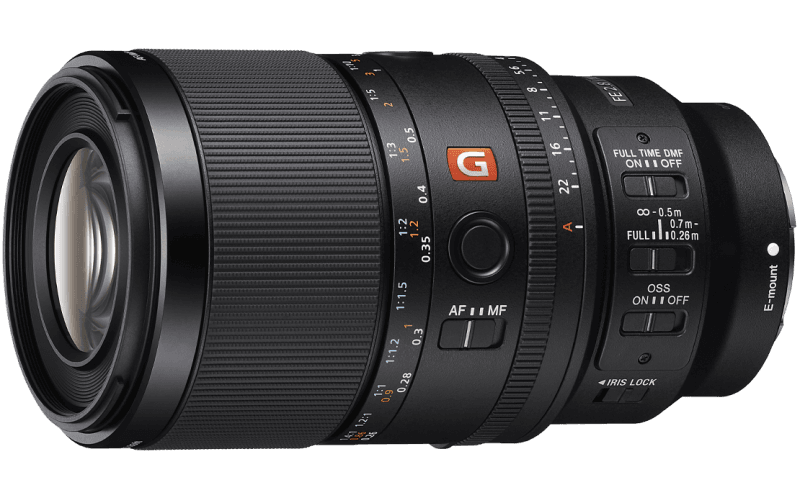
Sony FE 100mm F2.8 Macro GM OSS
This is Sony’s latest Macro lens, the 100mm F2.8 GM and it’s absolutely phenomenal. When this was announced I knew this would make a great companion to my wildlife photography kit along with the opportunity to learn something new, Macro Photography! Words just can’t describe the amount of detail this lens brings out.
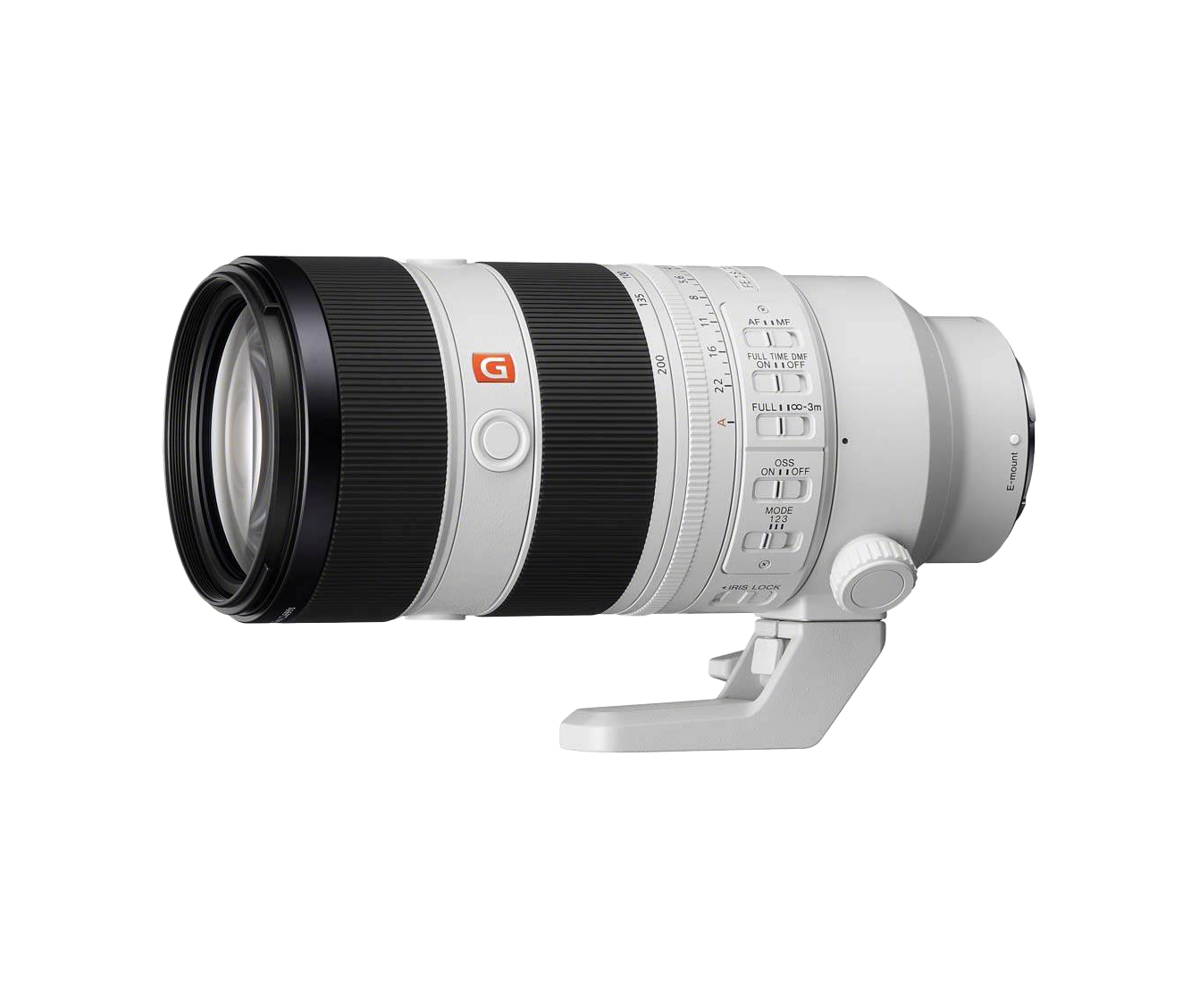
Sony FE 70-200mm F2.8 GM OSS II
This is one of the best all-around lenses you can buy, and a must have for many photographers. I often use it when exploring new places for the first time thanks to its lightweight design, constant F2.8 aperture throughout the entire zoom range and support for teleconverters if you need extra reach. While 200mm is a little short for most wildlife in general, it works very well in wildlife hides or zoos where you’re able to get much closer to your subjects. The image quality is outstanding too, exactly what you’d expect from a Sony GM lens.
Sony FE 200-600mm F5.6-F6.3 G OSS
Choosing the right lenses can be a difficult choice for wildlife photography especially when starting out, and if you don’t want to spend a fortune on a big prime lens then this is honestly one of the next best lenses you can buy. I’ve taken thousands of photos with it over the years, and it’s still a lens you’ll see me out with. The images this lens produces are top quality, and the 200–600mm zoom range gives you loads of flexibility when you’re photographing wildlife you just can’t get close to. Although both teleconverters do work with this lens I'd only really recommend using this with the 1.4x teleconverter, which will turn this into an 840mm F9. I really cannot rate this lens high enough.

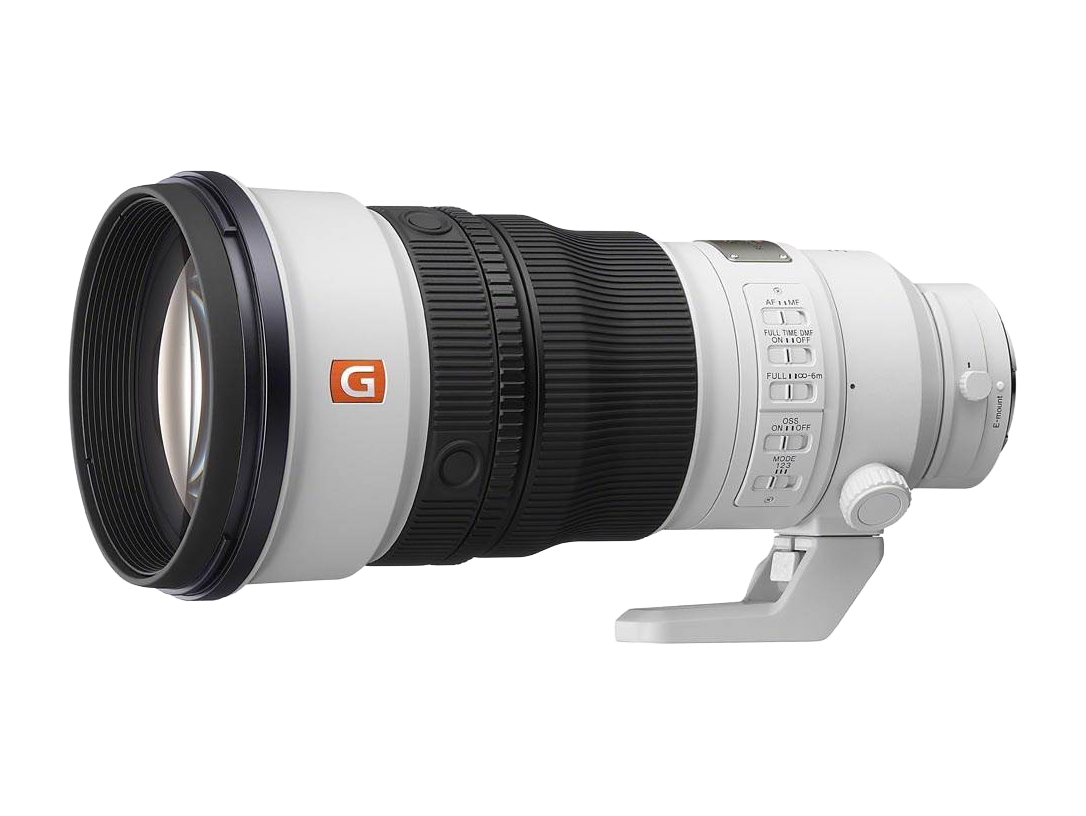
Sony FE 300mm F2.8 GM OSS
The 300mm F2.8 is a fantastic focal range for almost everything then it comes to wildlife or zoo photography. Although photographing small birds, can still be challenging with this lens, it does work extremely well with both the teleconverters, giving you a 420mm F4 with the 1.4x or a 600mm F5.6 with the 2x which definitely will make photographing those tiny subjects easier in the wild. For a prime lens this is extremely light-weight and you’ll have no problem carrying this around all day. If you can only choose one lens and this is in your budget, I’d definitely recommend picking up this one.
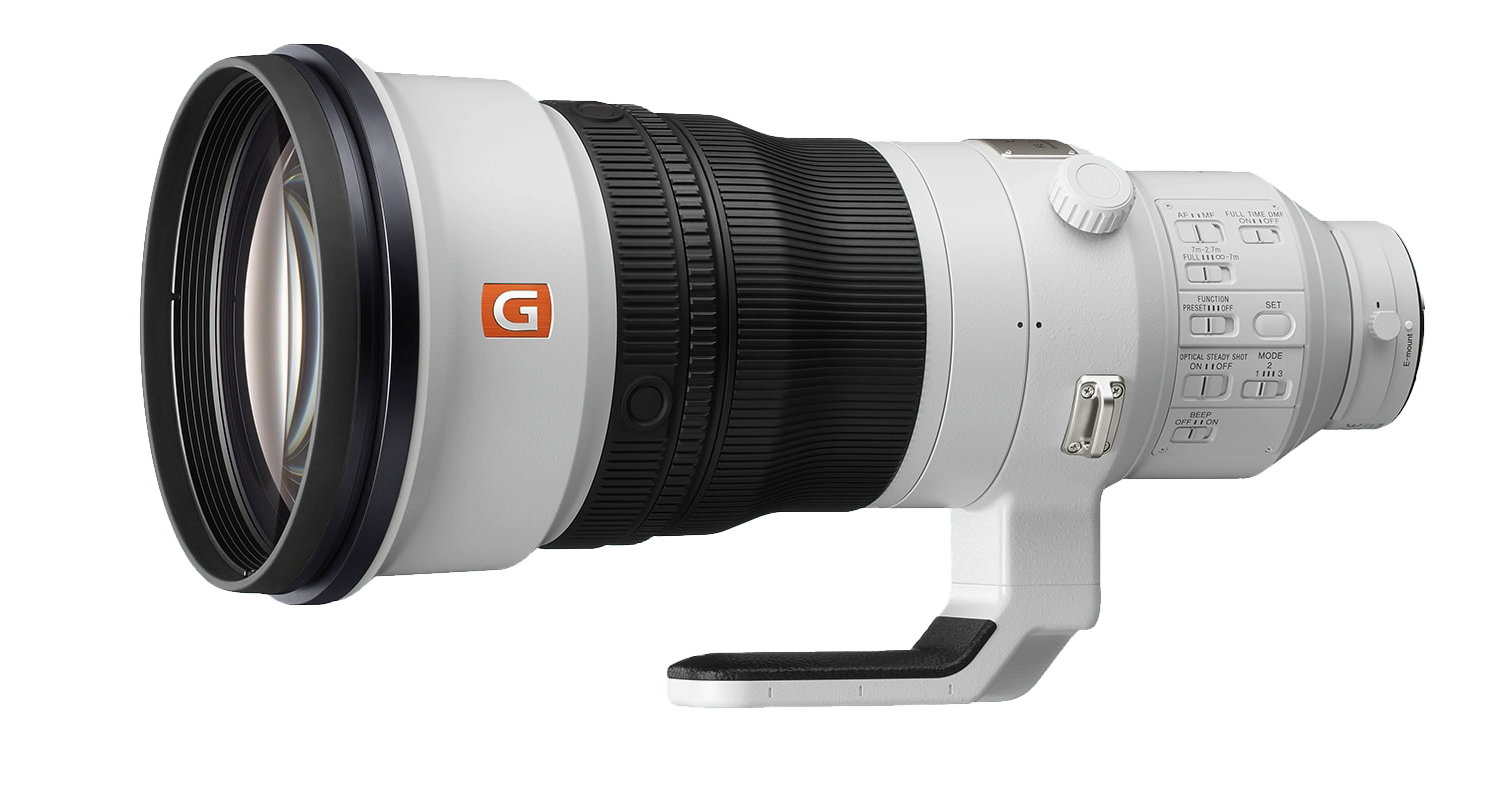
Sony FE 400mm F2.8 GM OSS
The perfect wildlife lens? Quite possibly… Some might argue that it’s not quite long enough for wildlife photography and a 600mm F4 would be a better choice, and in certain situations, that would be true. However, for me the F2.8 is the real advantage here, especially on those dark, overcast days we get most of the time here in the UK and having that extra stop of light really makes all the difference. The bokeh this lens produces is exceptional too, producing beautifully smooth backgrounds that really make your subjects stand out. I also find that being at 400mm gives me the flexibility to shoot a little wider and include more of the subject’s habitat, which can create some great storytelling images. If there’s one drawback to this lens, it’s the weight... If you are going to be carrying it around all day then I'd definitely recommend bringing along a monopod or tripod. However overall this is an outstanding lens that delivers absolutely stunning image quality every time.
1.4x and 2x Teleconverters
Teleconverters give you that extra reach when you need it, turning a 400mm F2.8 into a 560mm F4 with a 1.4x teleconverter, or an 800mm F5.6 with a 2x teleconverter, all while maintaining excellent sharpness and fast autofocus. I’ve found these to be a real game changer for wildlife photography as more often than not, you’ll find yourself just a little too far away.

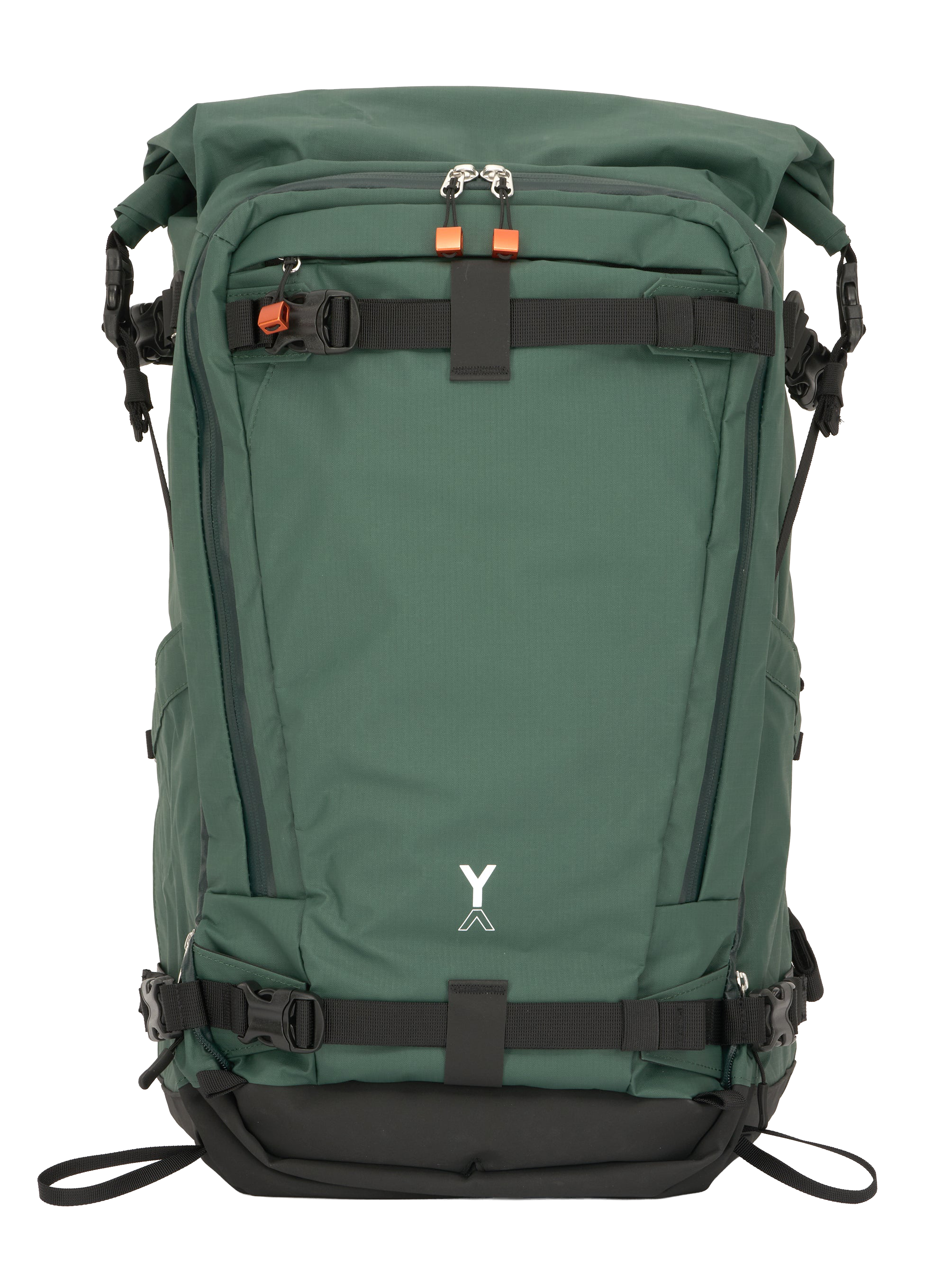
NYA-EVO FJORD 60-C (Gen 4)
I have a wide collection of camera backpacks in various sizes for different situations, but this is without question my go to bag for wildlife photography. It’s exceptionally well made, lightweight for its size and very comfortable to wear. The bag is also expandable, meaning that while it’s classed as a 60L backpack, it’s actually closer to 40L when not fully expanded, giving you full flexibility depending on how much gear you’re carrying. It can handle heavy rain without you needing to worry about your equipment, and even comes included with an additional rain cover for even more added protection just in case. If you’re looking for a reliable, well-designed camera backpack, that is durable and made from premium materials, I can highly recommend this one. It’s also available in three different colours Graphite Black, Navy and this one I have, in Pine Green.
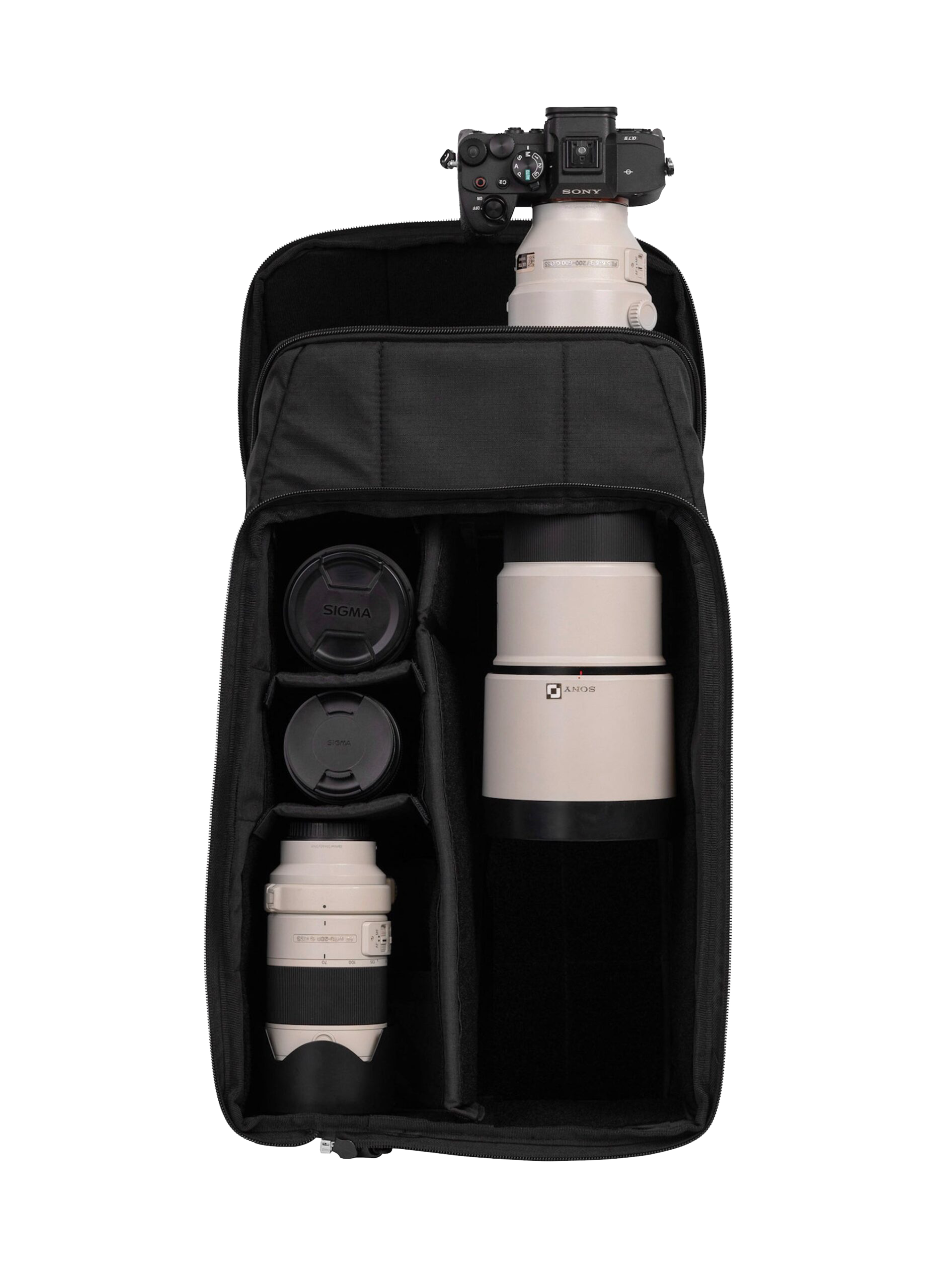
NYA-EVO XL RCI (Gen 3)
This is the NYA-EVO XL RCI (Gen 3) Interchangeable Camera Insert. An excellent choice if you have any large prime lenses. It comfortably fits the Sony A1 II paired with a 400mm F2.8 lens even with teleconverters attached, and this XL RCI unit will even accommodate a 600mm F4. The big advantage of this, is that you don’t need to break down your camera setup every time you pack it away, which makes your days shooting much easier. There’s also plenty of room for additional lenses, a second camera body and other essential accessories too, and if you don’t need an RCI this big they also have small, medium and large sizes available as well.
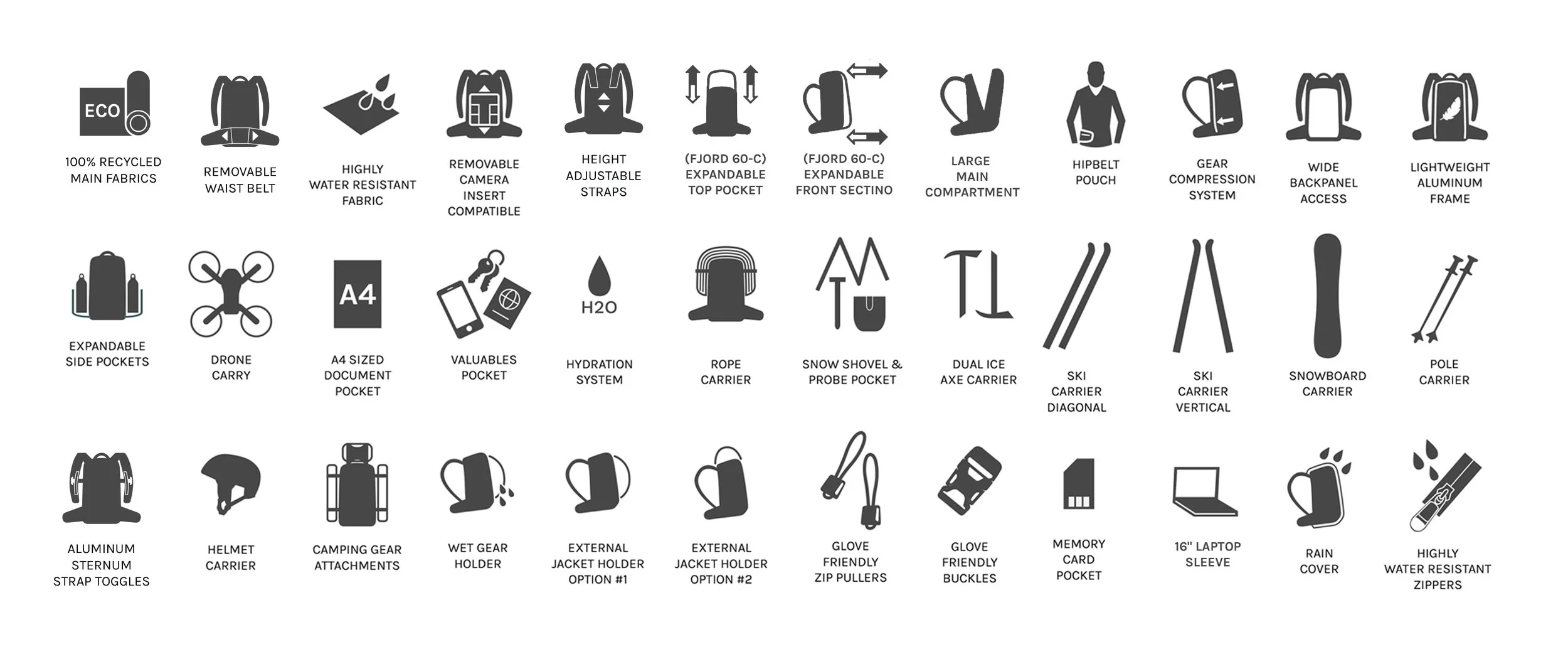
Below is the full list of features that the NYA-EVO FJORD 60-C offers:
Memory Cards
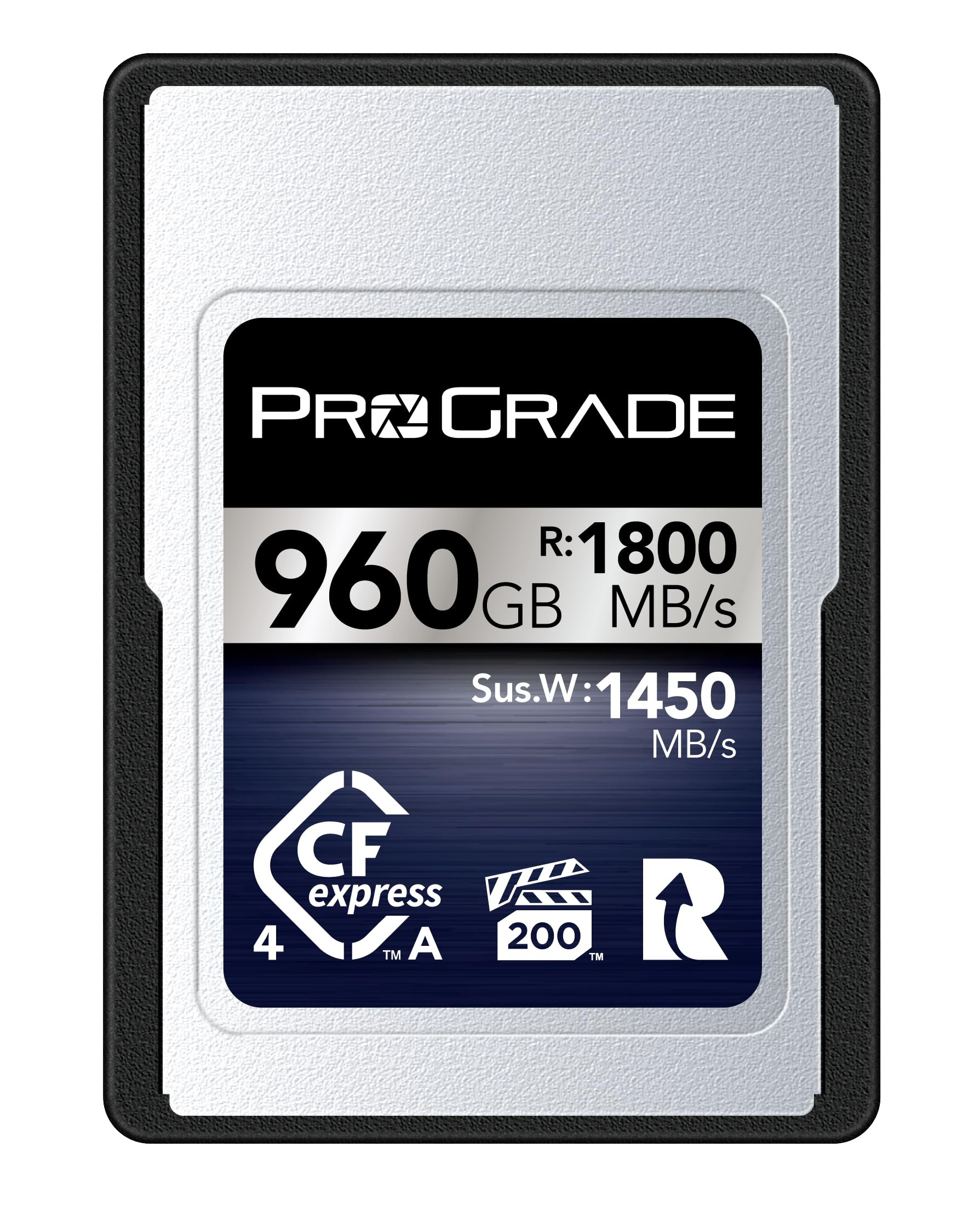
When it comes to memory cards, it’s worth taking the time to research which ones perform best with your camera. I currently use ProGrade Digital 960GB CFexpress Type A Iridium cards, with sustained write speeds of up to 1,450 MB/s. I’ve found them to be extremely reliable and perfectly suited to handling the large 50mp RAW files produced by the Sony A1 II. If your camera supports dual card slots, I’d also highly recommend running a dual card setup and writing images to both cards simultaneously for added peace of mind, in case of a card failure.
Batteries
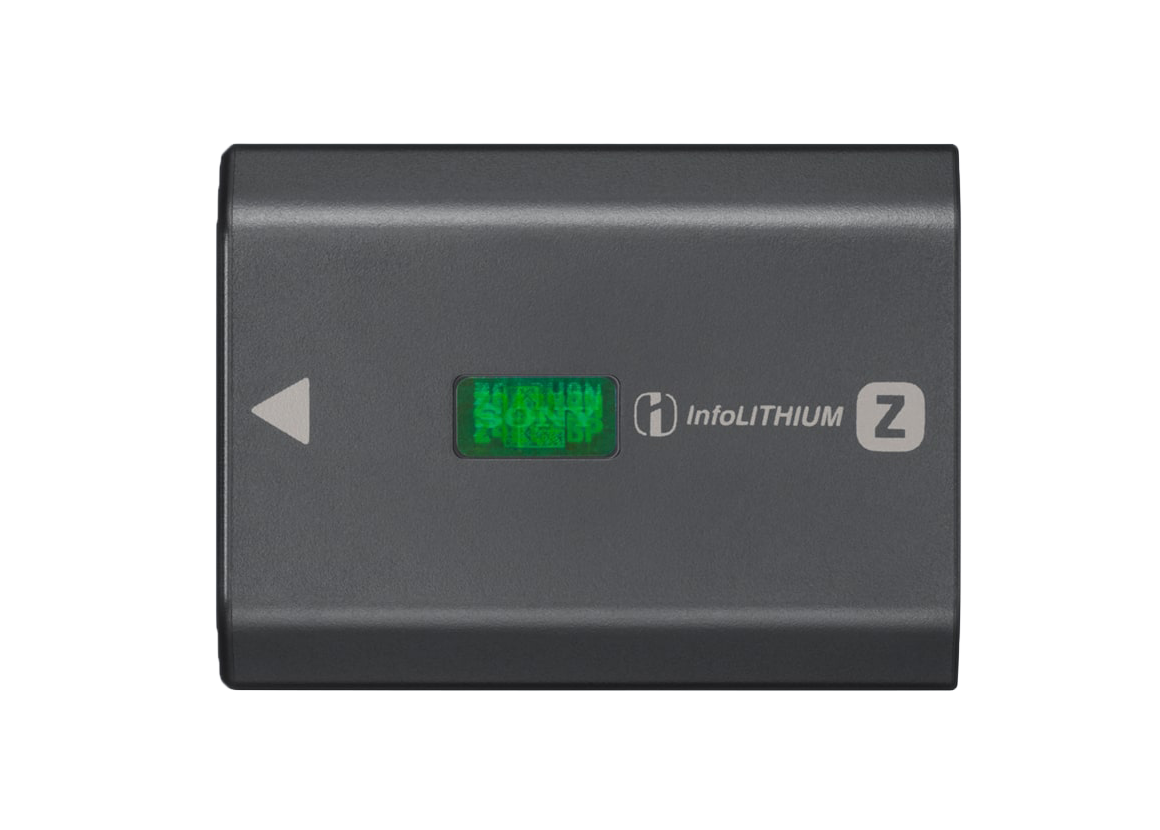
I use Sony’s official NP-FZ100 InfoLITHIUM Z-Series rechargeable batteries for my camera, and I’d recommend carrying a few of these so you never have to worry about conserving battery life while out shooting. While there are cheaper third-party options available, I prefer to stick with the official battery for the extra peace of mind that comes with having guaranteed consistent performance and long-term reliability.
LensCoat GroundPod
Don’t let the look of this plastic “saucepan-style” dish fool you. It may not look like much, but once you attach your gimbal or ball head, it becomes a brilliant tool for capturing ultra-low, ground level, eye line shots. I particularly enjoy using it when photographing birds over the lake, as it allows the camera to sit almost on the ground, which puts you right at water level, creating striking foregrounds and backgrounds, without the need to awkwardly crouch or lie down when trying to get the shot.
These are available directly from the LensCoat website (shipped from the USA) and they come in a range of different colours to choose from.

Gitzo Monopod
This Gitzo GM2542 carbon fibre monopod is ideal when you need solid stable support and don’t want to carry around a tripod all day. When collapsed it measures only 54cm, making it easy to fit into your camera bag, yet it will extend all the way up to 164cm for comfortable shooting. I often reach for this over a tripod because it’s much quicker to set up, especially when you’re on the move and being made of carbon fibre also makes it light weight. When mounting my camera to it I pair it with the Wimberley MonoGimbal Head MH-100, which offers smooth movement and excellent flexibility when tracking subjects, working in much the same way as a gimbal head on a tripod.

Gitzo Systematic Tripod
I use the Gitzo Series 3 Systematic Tripod GT3543LS paired with Gitzo’s Fluid Gimbal, a combination I cannot recommend enough. The tripod is made from full carbon fibre and has no centre column, allowing it to lay almost completely flat to the ground. This makes it ideal for achieving those ultra-low, eye level shots, which is perfect for wildlife photography. The Fluid Gimbal adds beautifully smooth, controlled movement, making it easy to track moving subjects with precision.

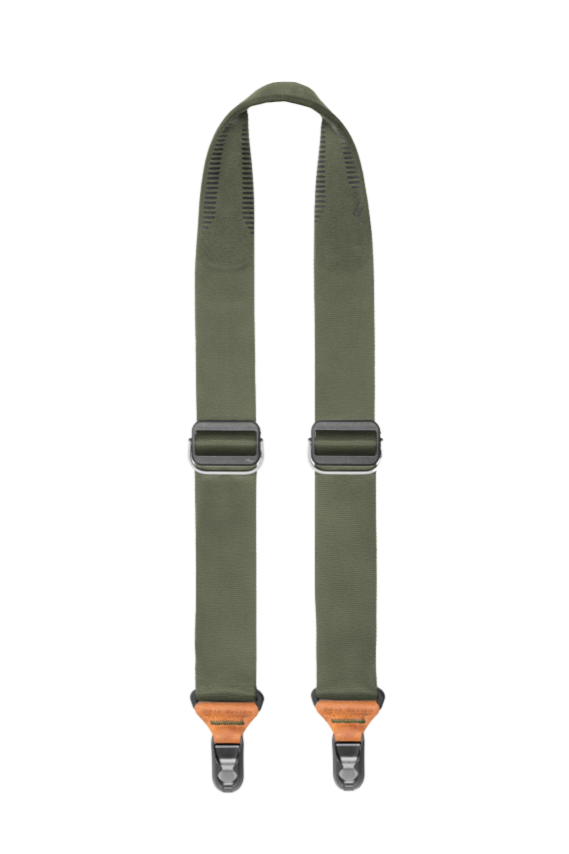
Peak Design Anchor & Camera Strap
This is Peak Design. A brand you’ve probably seen before, with their signature Anchors attached to photographers’ cameras all over the world. If you’ve ever wondered what they’re for, their unique design allows you to quickly attach or detach your camera strap. They are even rated to hold over 200lbs (90kg). That makes them more than strong enough to support even the heaviest professional camera setups.
The Anchors are fully compatible with Peak Design’s entire camera strap range, so you can easily choose the setup that works best for you. Beyond straps, Peak Design also makes a wide range of other products too, such as bags. tripods & travel gear all thoughtfully designed and built with exceptional high quality. I’d recommend checking this brand out.